Report from Familia Moja Itetemia

Below are some statistics provided to us by our Tanzanian partner organisation.

These show the numbers of people that they are supporting and the extent of the work that they are involved in.


FMI provide basis medication

FMI supports some of the poorest clients with basic medication.

In 2023 they delivered regular medication on 329 occasions to about 29 clients.

In the first 8 months of 2024 they delivered medication on another 139 occasions to about 18 clients.


FMI helps clients with trips to hospital

Where people need hospital trips, FMI will assist with transportation where people are too poor to afford that. Occasionally they will also help finance in-patient stays and help families with the logistics involved.

In 2023 they made 112 trips and helped with 6 in-patient stays.

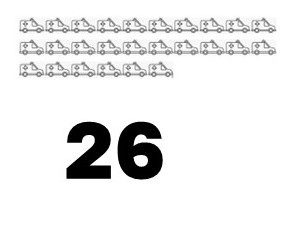
In the first 8 months of 2024 they made another 26 trips and helped with 4 in-patient stays.

FMI’s biggest job recently has been feeding their clients

With poor harvests and near famine conditions, many of the poorest in Tabora have really struggled to feed themselves. If illness, age or disability mean that you cannot grow your own crops, the malnutrition or starvation will follow. FMI has been providing monthly basic food deliveries to many of their clients. These usually contain maize, beans, oil, salt, sugar, tealeaves, soap, matches, and dried fishes. Occasionally the also contain special foods for clients with special needs – like ingredients for ‘super porridge’. 

In 2023 FMI supported just over 50 families on a monthly basis, families that would otherwise have had no food security.
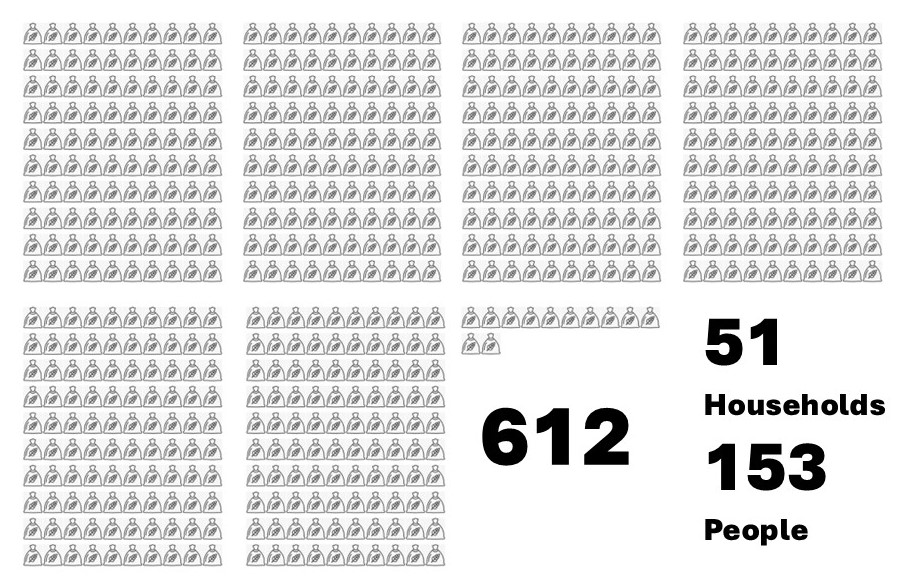
In the first 8 months of 2024 they supported another 35 households.

In the 20 months between January 23 and August 2024 they also needed to supply emergency maize rations to people who suddenly found themselves short of food and needed short-term help.


Other assistance to FMI Clients

FMI also provides other assistance where needed. They have;

  • paid rent for three households – one elderly man, one single-parent family with seven children and one widow looking after two grandchildren.
  • housed two frail elderly clients in our 2 unit protected-living facility – providing residential care and nursing care when needed.
  • set up a hostel for 14 vulnerable children [16 from August 2024], thus enabling them to continue their education. There are 6 children in secondary school, 8 in primary school and 2 older children [the recent arrivals who are being homeschooled as they arrived completely illiterate. They will join school in January 2025]. The hostel is run by a fostering couple, Mama and Baba Samweli, plus one resident teacher and 2 ladies who help cooking. 
  • supported 36 children with school uniforms, exercise books and pens, and shoes – without which they can’t go to school.
  • supported a handful of other children who needed extra food or tuition to enable them to progress in school.

FMI also supports women with HIV to become self-sufficient

FMI supports a women’s group where they learn to set up their own market gardens. They initially get paid to help and learn. Later they are funded to buy seeds and are allocated small areas near our rainwater collection ponds. With intensive supervision they learn to help each other.

All of these women would otherwise have been destitute. This initiative helps them, not only with the ability to provide for themselves financially, but also helps them to learn new skills, gain self confidence and life coping skills well beyond market garden work. Mama Ndugu meets and works with these women every day. 


FMI funds its own workers

At the start of this period there were 9 ‘members’ of FMI, each playing a role to help run the project. There was concern that there wasn’t enough money to continue to fun all of them. A kind donor provided 5 of them with small motorbikes to enable them to be self-sufficient without the FMI ‘stipend’ that they were given to cover living expenses. As such the team has shrunk to 4 ‘members’ which has obviously increased the workload and decreased the capacity for the agricultural projects.

It is hoped that FMCP-UK will be able to fund the return of these ‘members’ to increase the capacity of the team. We are not the only group that assist with funding. There are some individuals who donate money directly and there are also supporters in Germany [where Dr Ruth comes from].


How can I help?

You can help by praying for the work and the funds necessary.

Or you can give to assist in the financing of this project.

You can give using our CAFDonate secure portal which allows us to collect Gift Aid if you are a UK tax payer.

https://cafdonate.cafonline.org/11331#!/DonationDetails

Thank you.
Newsletter Tabora Familia Moja November 24

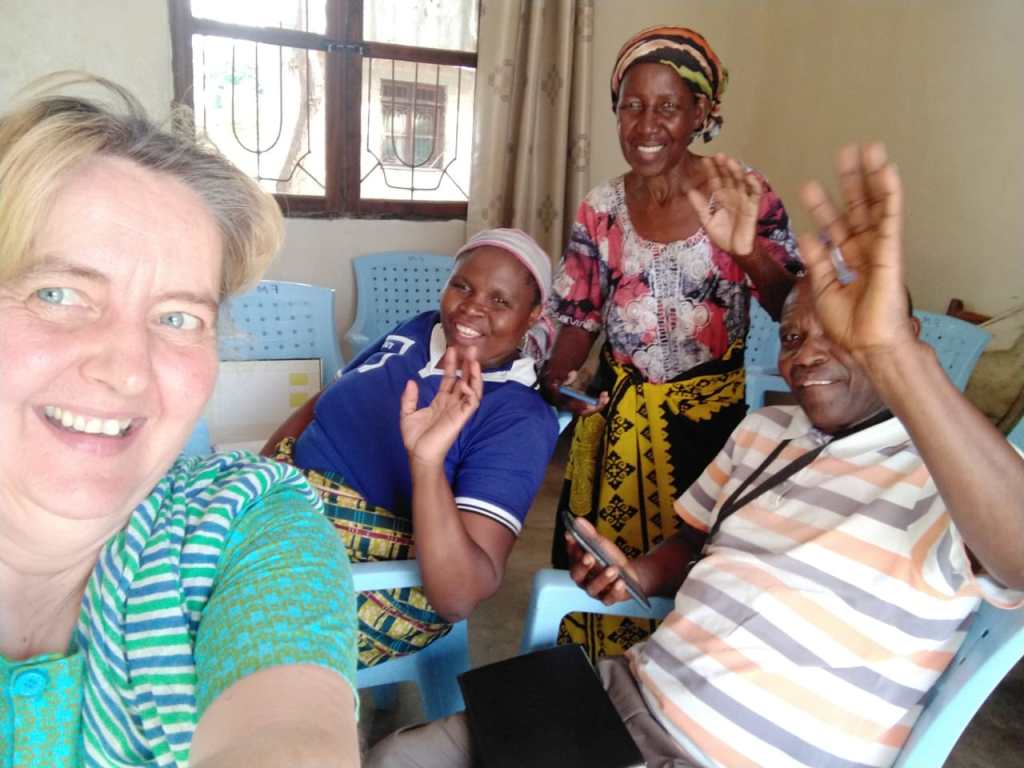
This letter has been written by members of Familia Moja in Tabora and only edited by me (Dr Ruth Hulser) to share recent updates.

As they sailed, he (Jesus) fell asleep. A squall came down on the lake, so that the boat was being swamped, and they were in great danger.
The disciples went and woke him, saying, “Master, Master, we’re going to drown!”
He got up and rebuked the wind and the raging waters; the storm subsided, and all was calm.  ”     

Luke 8 vs 23-24

We have all felt like we were sitting in this boat for the last few years. Much of our development work, which is really the holistic side of our Familia Moja project has more less come to a standstill because all funds are needed to cover the cost of medicine and hospital cost (no NHS in Tanzania!) and to support our 156 clients, who receive a basic food package every month.  We are grateful to you for saving “our boat from going under” and we will share some stories from our clients.   This will help you to see how the help that we can give remains vital for these families.

Amina

Amina is an 8-year-old girl with sickle cell anaemia and developed an infection in the bones in her left foot and the bones were sticking out and rotting.  After a long period trying to get treatment in the local regional hospital (it has no orthopaedic doctors) she was referred to the big hospital 300 miles away in Bugando for further examination. The cost of the treatment was very high so we are grateful for your help as her mother cannot afford any expenses.

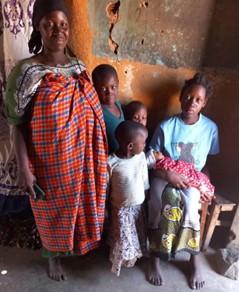
Salima the mum is a widow, her husband died years ago, she has 9 children, but only the last 4 are still living with her.  Her older daughter Asha (18y) has recently given birth to Mussa, a little boy making their lives even more difficult. In one room now live five people and a newborn baby. (We pay the rent for that one room).  We have just realised that her husband left her a small plot of land close to our hostel and we have decided that the family and Amina could gain great stability if we could build them a 2 room house and outside toilet and shower. This would cost £750 which we feel would be a wonderful fundraiser for this Christmas as this family has been ‘anchor less’ since the father has passed away.

Baby Christopher

Do you remember baby Christopher whose mother died two weeks after giving birth to him just before Christmas 3 years ago? 

We thank God for your generous financing of the incredibly expensive formula in Tanzania. The child continues to get supplies of porridge, cow’s milk, peanut butter, etc.  He is now 2 years and ten months old, living with his grandmother, siblings and cousins. Two of his sisters have finished primary school just now and are preparing to go to secondary school with our help.

There are still 6 children living with granny and aunt and no stable source of income.  They survive with our double monthly food parcel and help with school expenses.

Emanuel

We met Emanuel a long time ago. He is suffering from a mental health disorder. When we first found him, he could not even say hello. Emanuel lives with his elderly mother who is busy growing and selling green vegetables and spinach.

Emanuel cannot be left sitting outside by himself, so the mother has to lock him inside everyday when she goes around the suburbs trying to sell her vegetables. He will escape and get lost if not locked up. We started to arrange antipsychotic medication by monthly injections that our nurse gives. This helps him to calm down and at least to be somewhat cheerful and he is able to communicate now.

Emanuel managed to escape a few months back and was miles away with us having no idea on how to find him. He was hit by a car and broke his shoulder bone and was in a bad condition for a long time. But, thanks to your support for the needy, we were able to treat him successfully and he is finally doing well. They also receive basic food packages every month so that he and his mother can support themselves.

Leticia

Leticia was five years old when she sustained very bad burns in a kitchen fire. The burns covered several parts of her body and large burns on her head and face.  Familia Moja paid for her treatment of the infected burns on the ward in St Phillip Clinic in Tabora for weeks. We then sent her for reconstructive surgery at a specialist hospital in Dar es Salaam, financing the stay (the surgery was free). Her condition has stabilised to a certain extent.  Ideally, she would need to undergo further plastic surgery to her face and nose.  However, because of your faithful contributions over these years, your love has enabled Leticia to heal enough to return to school. Letitia has amazingly passed last year as the best pupil of a whole region, and the government has offered her a full scholarship for boarding at a governmental school.

Supporting widowed and low income women

Amongst other things, Familia Moja continues to help widowed and low income women to do gardening work under Mama Ndugu’s supervision. This enables them to earn an income and support themselves with the money they get for gardening projects. We see good results from the help that these women get, a new hope and joy of life again. And we begin to see their smile blooming again, they shine again.

No one lights a lamp and puts it in a place where it will be hidden, or under a bowl. Instead they put it on its stand, so that those who come in may see the light.”

Luke 11 vs 33

Yes: God’s light is there and we can see it shine in Tabora.

These people whose stories we have shared and many more show how God is bringing his light of hope and love in situations that often would have been so dark otherwise.

We are grateful for your continued partnership in Christ in prayer as well as all other support and wish you a blessed time in Advent and Christmas and a happy New Year.       

God bless                                       

From the team in Tabora with Evelyn, Rahabu, Samweli, Neema with all others. Also, from Ruth in UK [who with Phil and Elaine translated and edited this letter].

Monsoon June? We should be so lucky!

While we in the UK complain about the amount of rain falling this month, those in Tanzania are pleased for rain to fall and allow them to grow food.

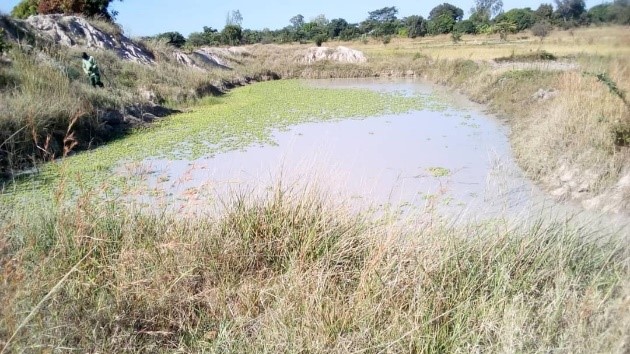
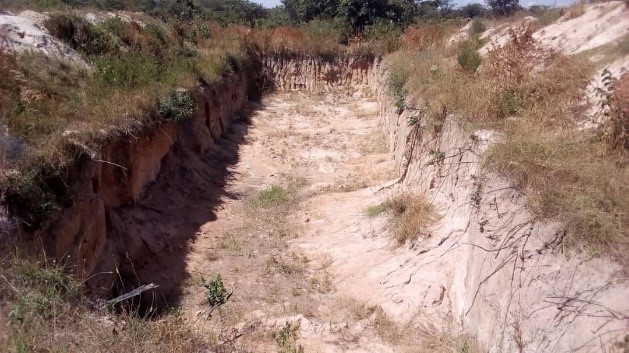
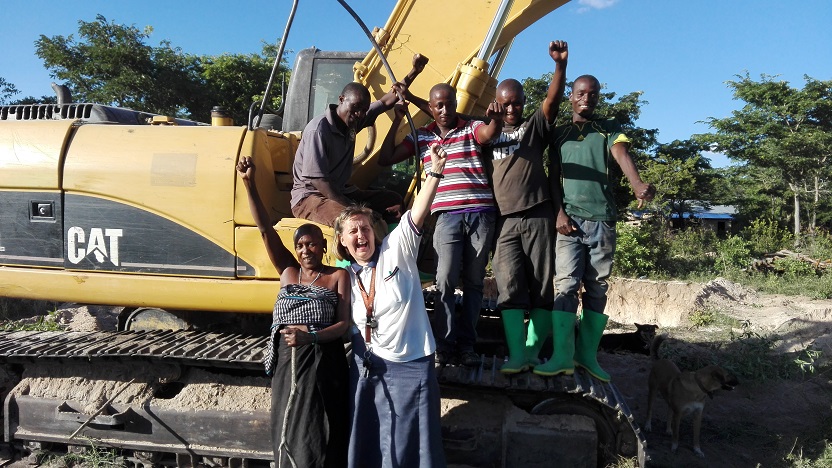
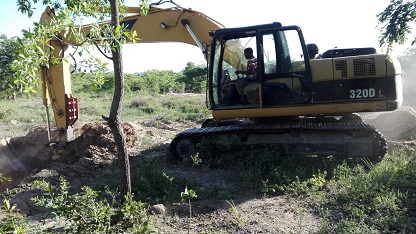
When we wrote our first blog, Familia Moja Itetemia had managed to complete digging 17 holes to act as rainwater collection ponds. Due to the low rainfall, only half of the ponds had any water in them by March. However, thanks to God and the prayers of churches in Tanzania and the UK in April, there were unexpected heavy rains which have filled up most of the ponds and raised the groundwater levels everywhere.

Waiting for rain!
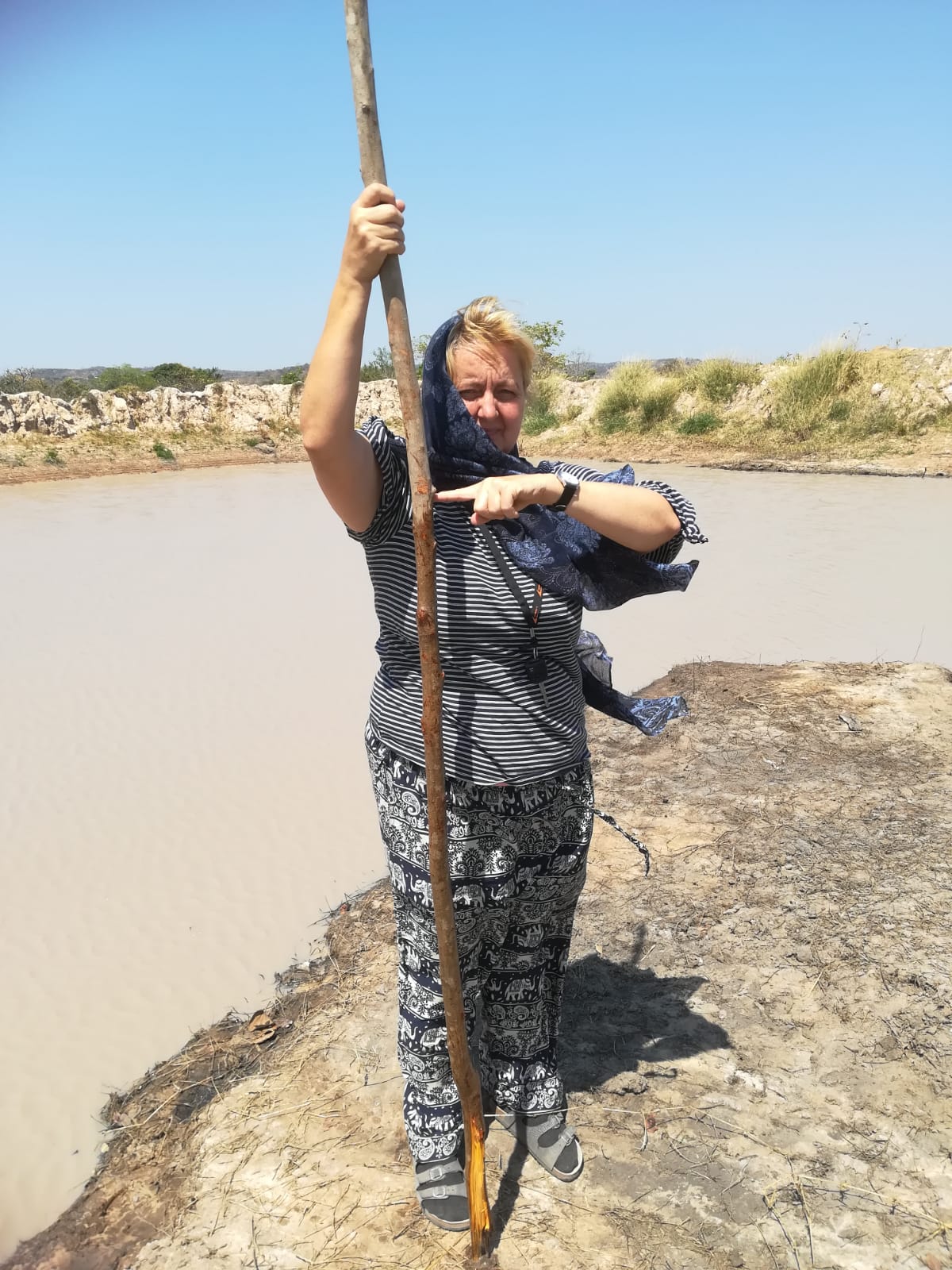
Dr Ruth testing the depth of this pond.

Since then several more have been dug and there are now over 20 in the area, some more successful than others but all contributing to the available irrigation water and raising the water table and so improving local wells. Some have been stocked with fish to provide a source of quality protein.

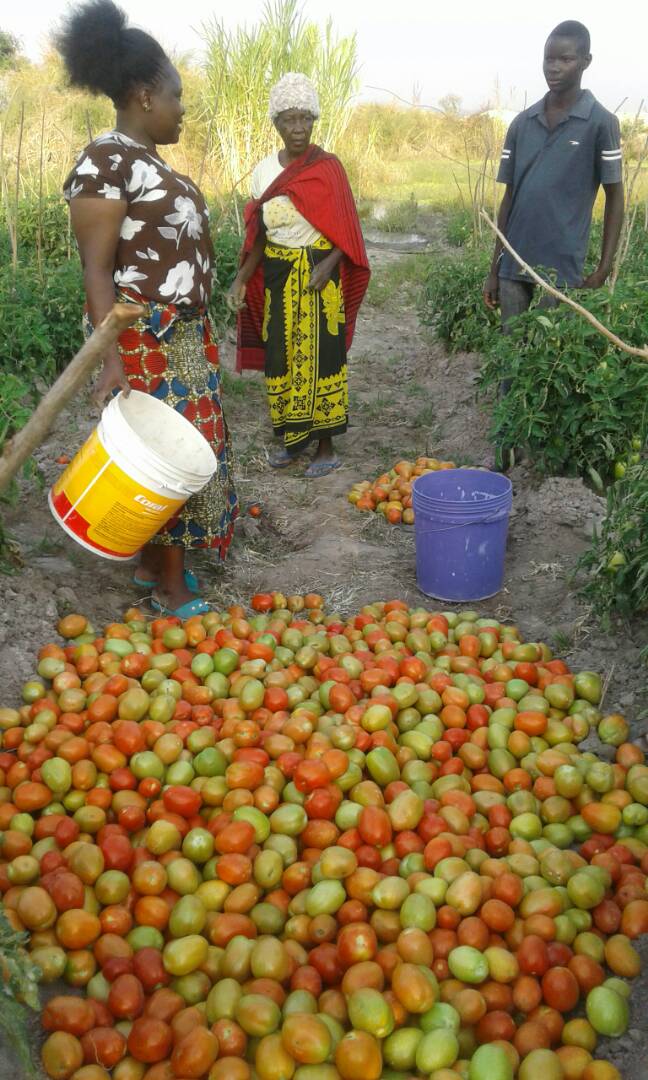
The local people have been able to plant gardens around these and produce a harvest that has enabled them to survive and help themselves.

We have learnt that the ponds are more useful if the gardens are planted using soil improving and water sparing agricultural techniques. We are following the techniques taught in Farming God’s Way, a model established in Zimbabwe.

With the failed rains we now know, that not only do we need to place the ponds at the lowest part of the valley but also, we need to teach and demonstrate how gardens can be made sustainable even under the hardiest circumstances. We therefore, decided to hold seminars for all Familia Moja members on how to plant a garden using Farming God’s Way techniques. In March we held a seminar and had practical sessions laying out the first garden. Since then a second has been laid out by members and a third and fourth are in preparation.

In the next two months we are hoping to establish drip irrigation for two acres. This will be the first such scheme in the region and could serve as a model for many.

Next Time

We will introduce you to some of the staff who are working with Familia Moja Itetemia.