Christmas has come!

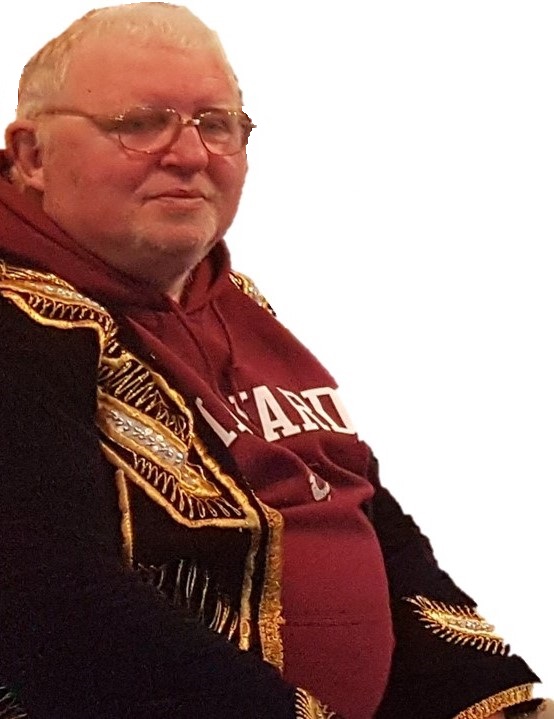
Martin Knight as a Wise Man – Bunyan Baptist Church 2017

Happy Christmas

As we celebrate the birth of Jesus – the Messiah who came to serve the poor – we also celebrate the gifts that have come to us courtesy of many of you and especially from the Family of Martin Knight, Bunyan Baptist Church and St John’s Church in Yeovil. Thank you to all of you who have contributed to this work whether in small one off gifts or regular donations.

Thank you for your generosity!


2020

At the beginning of 2020, it was estimated that we would need to raise approximately £16,000 [based on the first six month’s expenditure] within the current financial year. As we started the year, we were thinking about how we might run quizzes and other fund raisers and how we could make the work of Familia Moja more well know. The arrival of Covid19 put paid to all of that!

And yet at the end of the year we are able to report that our finances are in a far better position than we could have ever imagined!

And much of that is due to the very kind donation of over £8,000 by the family of our friend and long term supporter Martin Knight, who passed away about this time two years ago. His life was a blessing to our work in so many ways – he even visited the project in Tabora and is fondly remembered by FMI staff with whom he worked. His family have been exceptionally generous with the legacy that he left and this donation will allow us to continue to save lives and improve the health and wellbeing of the poorest in Tabora.

So thank you to all of you who have donated. And thank God for his timing – sending us the resources we need at just the right time.

If you have not seen it or would like to download a copy – our first annual report [from our start in September 2019 until the end of our financial year in April 2020] is available here.

The gift of water

In Tanzania the rains have come. Hopefully this year they won’t be in quite the excessive quantity of last year [though hopefully that will have replenished underground aquifers and filled some of the local wells].

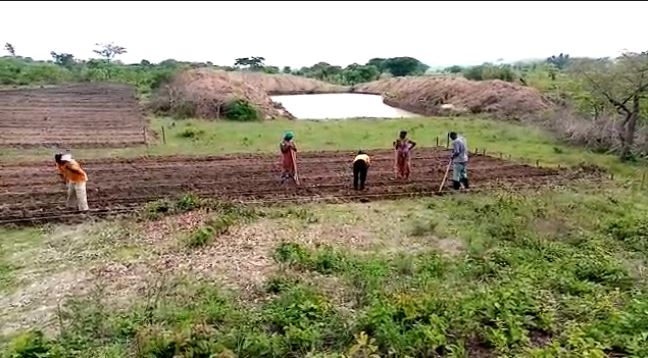
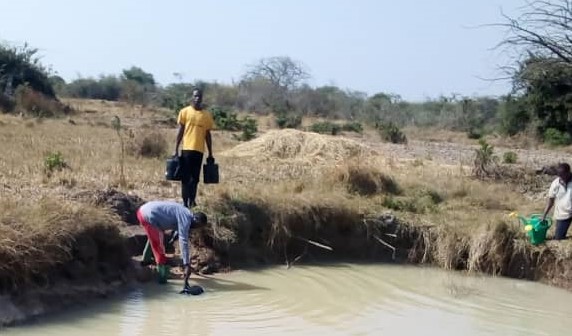
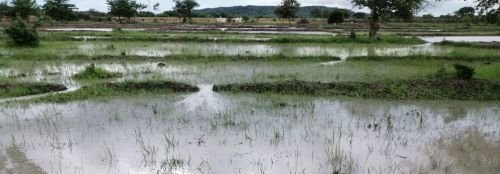
One of our new ponds – Muhele [each one has a name] – is filling nicely.

You can see a short three-minute film of the FMI Team planting onions in one of our gardens at https://youtu.be/BVAdIdg_S0U

The grounds have been prepared by the addition of cow dung and other composting material. Here the cow dung arrives in the FMI vehicle [now over 25 years old!] ready to be added to the compost.

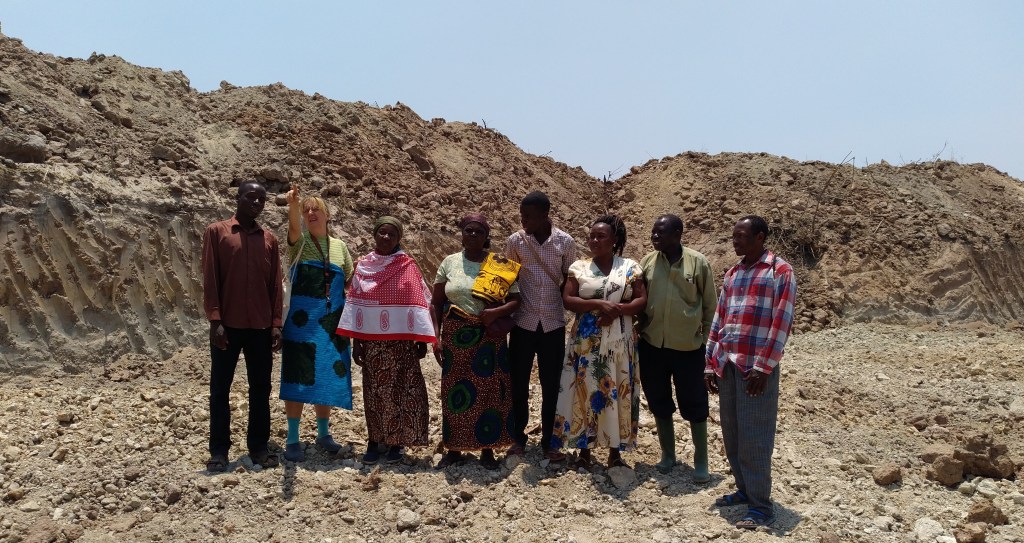
More Ponds

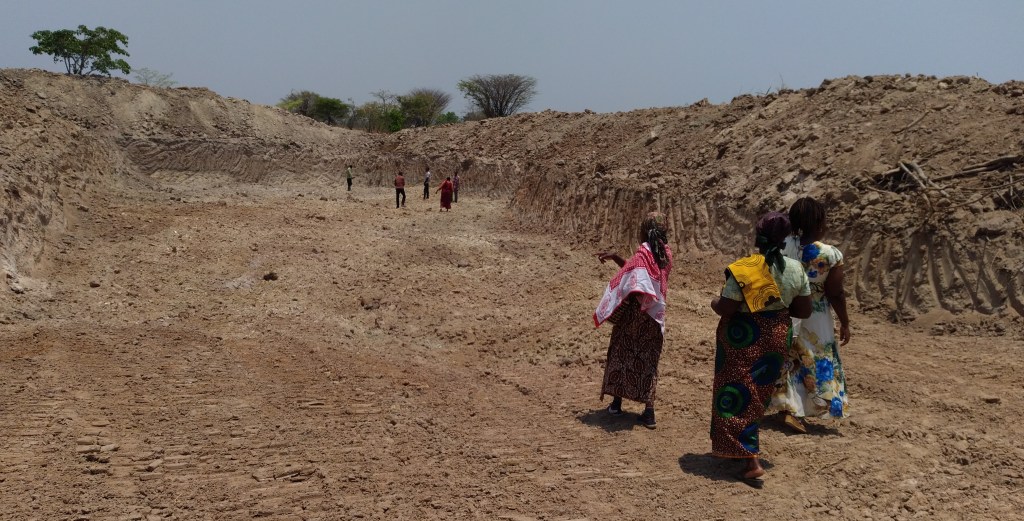
In order to support the local communities that we work with in Tabora, there is a need to provide the basic necessities such as water. Water to drink, water to irrigate your food crops, water for the animals and water to restore the land to make it productive and fertile again.

We have struggled this year with building ponds – partly due to it being so wet; too wet to use heavy machinery to dig. And partly because the machinery wasn’t available. There is an election coming and roads need to be repaired!

But we are pleased to say that we have just completed two more ponds, the latest being the biggest so far [though we are not entirely sure it was planned this way!]

Thank you to all of you who have donated in order to make these a reality. They really do make a difference when the rains fail to arrive as hoped for.

Crops [when others have none]

Most amazingly, God answered our prayers about Tanzania being spared a significant problem in this worldwide pandemic. This is amazing, particularly as any shutdown other than the early school closures (a week before the UK lockdown started) would have directly resulted in essential food crises for a significant part of the population.

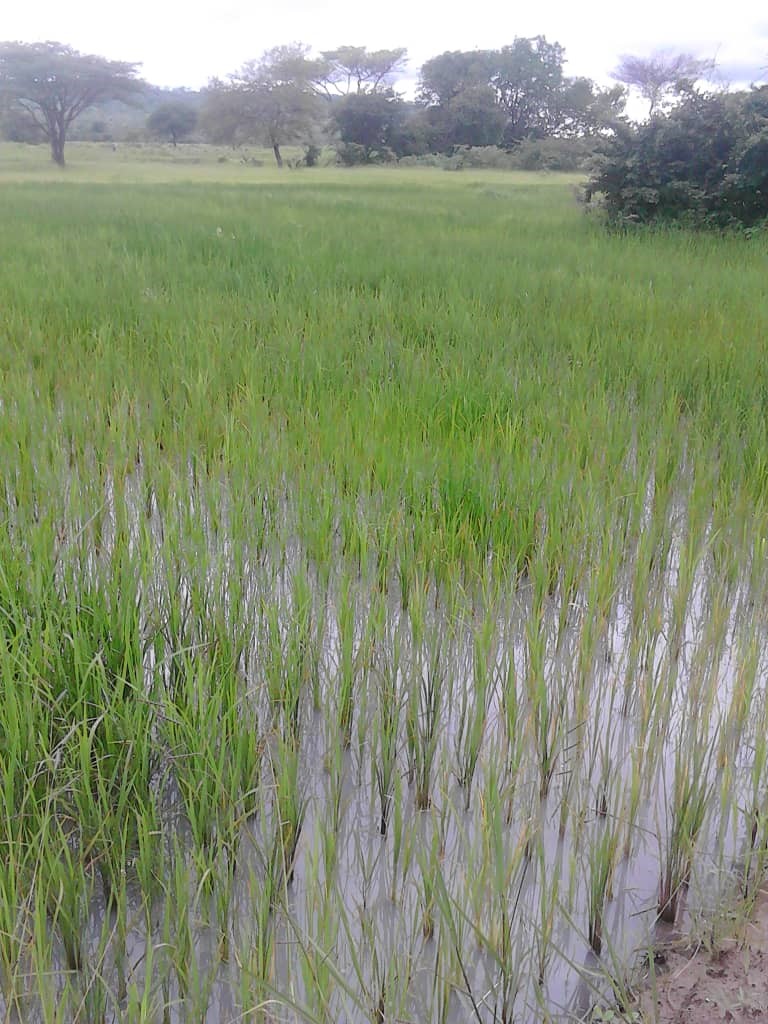
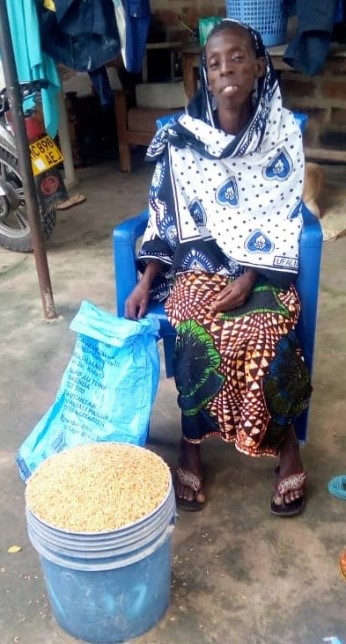
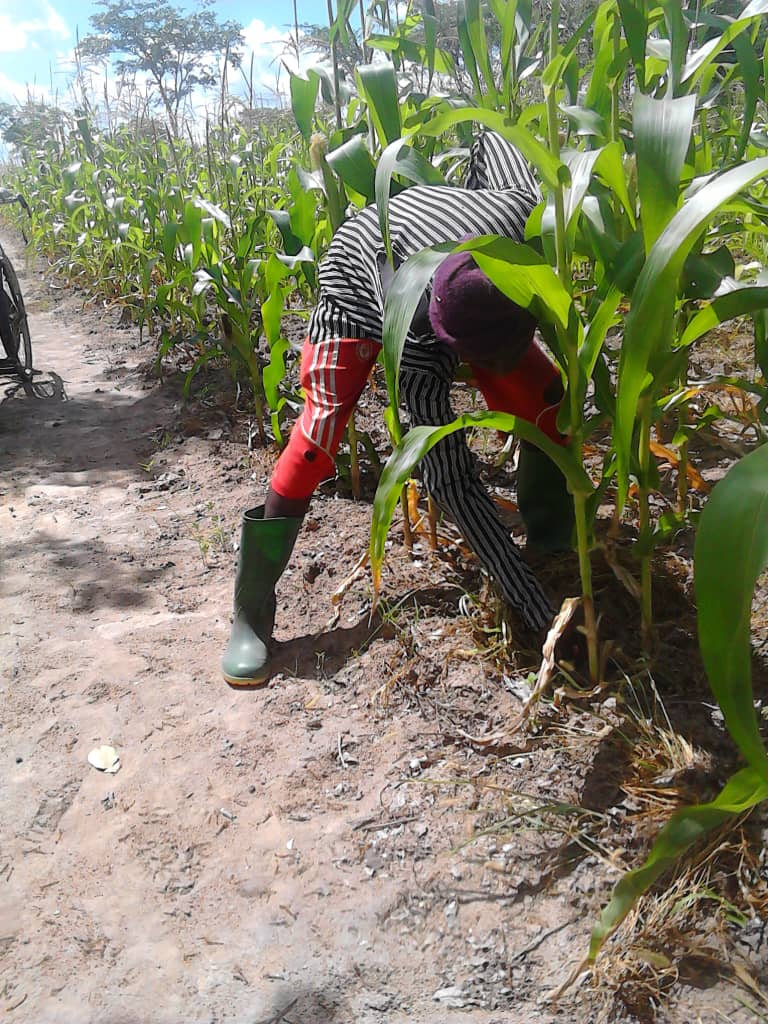
Our prayers were also answered regards the rice harvest! Even we managed to harvest a bumper crop of 32 ‘sacks of rice, even though we harvested only 9 sacks of maize (and we had hoped for double.) That having been said, this maize harvest was much better than most saw, and encouraged us by proving that our method [known locally as ‘Farming God’s Way’] does stabilize crops.

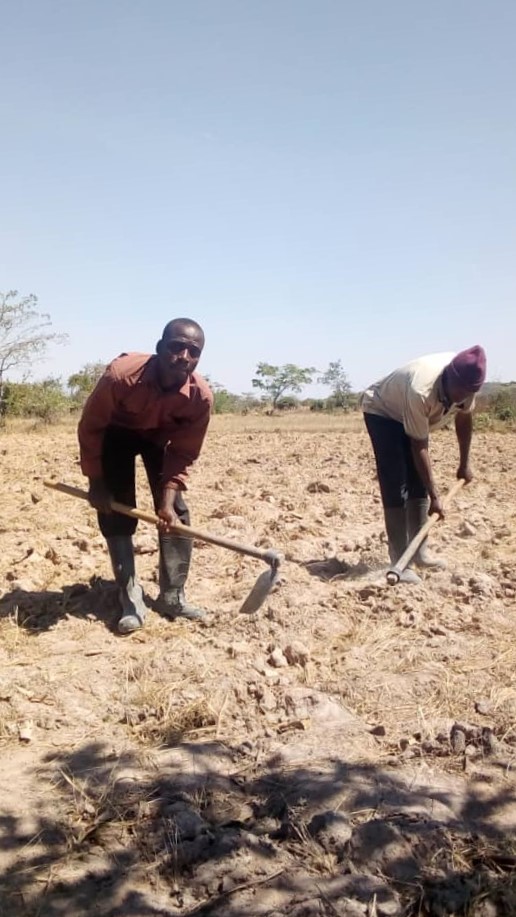
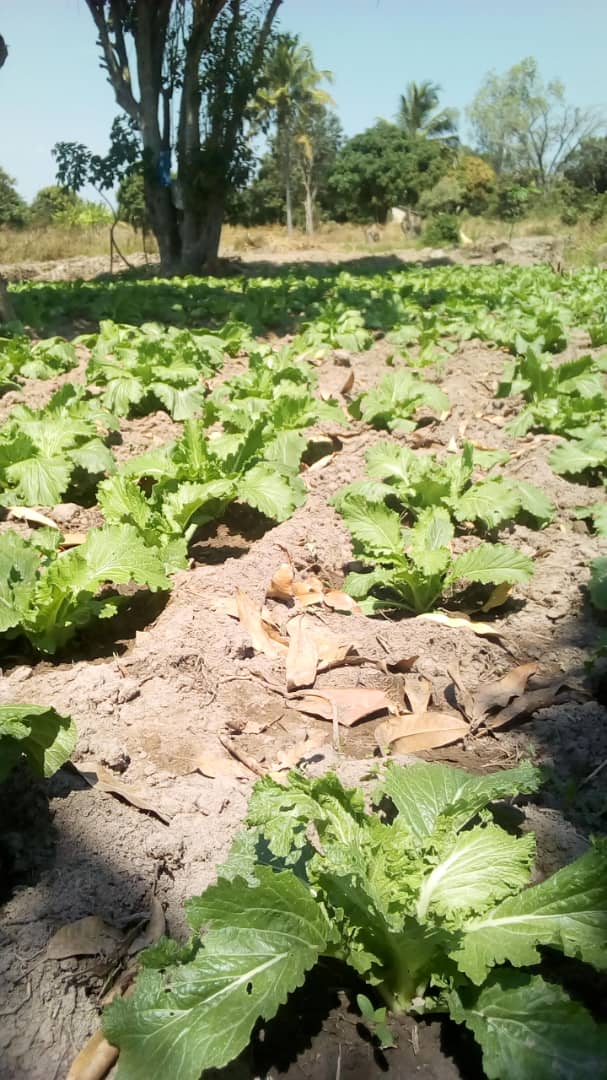
The groups of worker using this method have been working very hard; initially planting and harvesting maize and rice and then preparing compost and market gardens for the dry season. The first field of watermelons are ripening. And a second field is beginning to show promising signs of growth. The watering is truly back-breaking work, and too much really for the 5 regular members (Maduma and Neema are usually looking after clients most days). We are urgently searching for a specialist in ‘drip irrigation’, for the next market gardens so we can more efficiently irrigate out gardens.

We thank God that [with your help] the work to restore the land is bearing fruit and that FMI have food stores in place to feed our clients through the next few months.

Moving on

While the rest of the world is semi-paralysed by the Covid-19 pandemic, the work in Tabora continues. There is currently little evidence of this disease having reached Tabora. This may be due to the fact that the population profile is very different to that in the West – whereas ‘western’ countries often have ageing populations, about half of the population of Tabora is under 18. Schools and universities were closed very early by the Tanzanian government and masks became mandatory very early on. It may just be that the problem is hidden due to the inability to test. Please continue to pray that Tabora will continue to be spared.

The bigger risks in this part of the world are illnesses like malaria, HIV infections, sickle cell disease and TB and the risk of the harvests failing. FMI staff are working hard to protect the clients that we look after and now the rainwater ponds are full and the floods have subsided, planting, compost making, watering and growing can start. Potatoes are growing OK at the moment. There will hopefully be a crop of cassava in September. But the maize harvest which has been poor means that this staple may run out very soon.

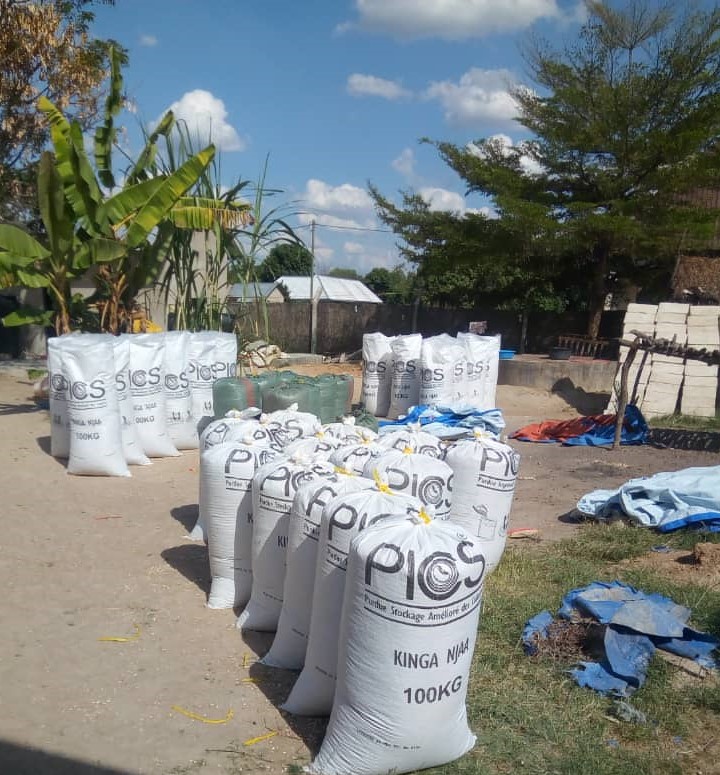
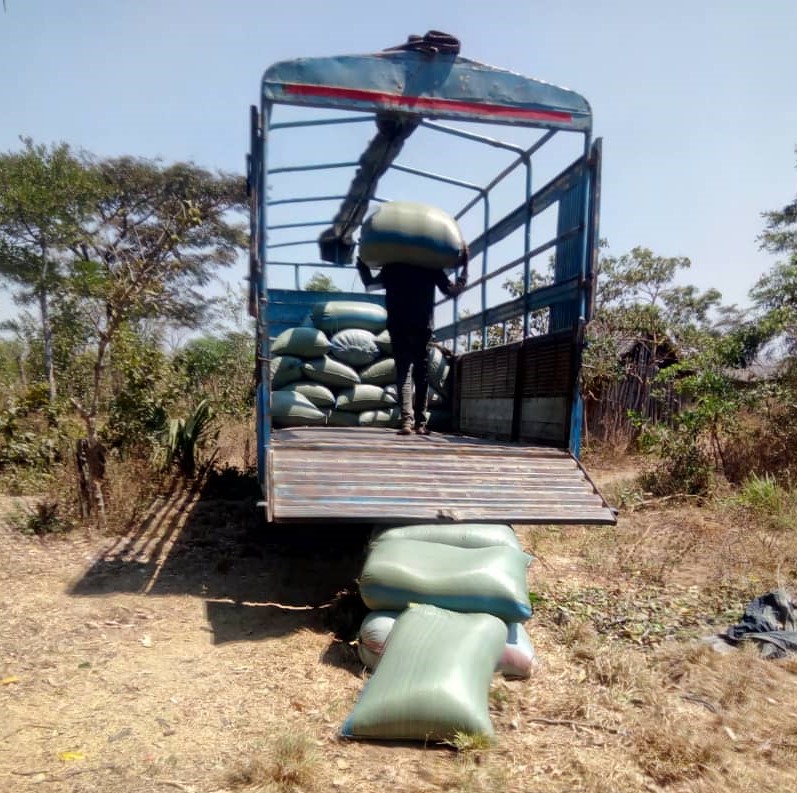
One of the problems locally is that local farmers will sell their food for export. There are good roads to the country’s borders from Tabora. Unfortunately, while selling food now may bring in an income, in a few month’s time the prices may rise rapidly if the harvest is poor [and they haven’t been good recently]. To protect our clients FMI buys food now while it is reasonably priced and places it in secure storage for distribution over the next few months. FMCP-UK didn’t need to pay for this lot of food as it was funded privately by another donor. A lorry had to be sent into the bush to collect 72 large double wrapped 120 litre bags of rice. This is hard work and the workmen needed to be fed when they returned.

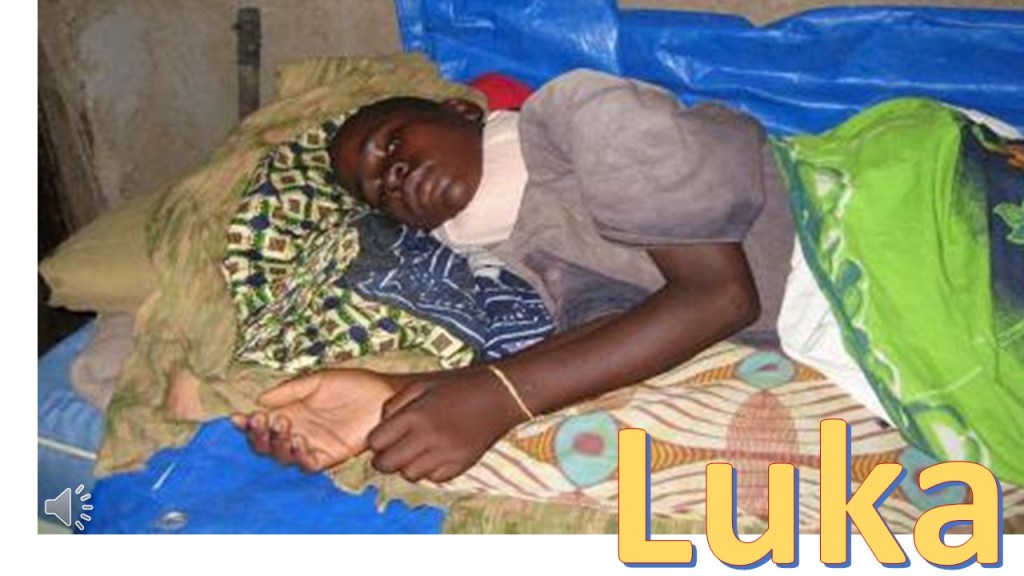
This food will be used to help support clients like Luka and his family. Unable to afford to pay for the epilepsy medicine that they need, FMI provides support and care to this family. Those of you who have followed the Familia Moja story from the very beginning will possible remember the miraculous story of Luka. You can see it here on another of our ‘FM Shorts’ – a short FMCP-UK film about the work undertaken by FMI.

Go to https://www.youtube.com/watch?v=hMacnKqgN3E&t

Please continue to pray for the work of FMI in Tabora.

Hope Continues

This is Immanuel. He is one of our long term clients whose life has been turned around by Familia Moja.

This is the first of a series of short films describing the work that has been done by Familia Moja over the years. Immanuel was first contacted in 2008 when Familia Moja was a project linked to Dr Ruth Hulser’s work with CMS. Now that FMI [Familia Moja Itetemia – our Tanzanian Partner Organisation] has become a government recognised Community Based Organisation in Tabora, our UK charity is helping to provide the support that he needs.

You can see his story on YouTube at

https://www.youtube.com/watch?v=Sjj9qmM5kaw


How is Tabora?

The news from Tabora is better than expected.

Uganda and Kenya have experienced some very poor harvests due to flooding and also locusts which eat any plant in sight. Add the Coronavirus pandemic to that and the outlook is grim.

Tabora, however, has been spared the worst of the problems. The locusts have not come and so far the Coronavirus seems not to have arrived like it has in Europe and other parts of the world. And food is growing. With wet fields, rice has been the crop of choice so far and so the FMI clients are able to eat what many of them would consider to be a ‘luxury food’. So they are relatively happy at present.

The FMI gardens are currently planted for water melons and it is hoped that ‘crop rotation’ will provide them with a second harvest of maize and then a third harvest of a root vegetable such as onions or carrots. By rotating the crops and feeding the soil with specially prepared manure [part of the ‘Farming God’s Way’ technique that is being taught to FMI clients], it is hoped that the soil can be enriched and become more productive. The plot that has been prepared this year is twice the size of last years.

One of the big risks is that local food will be sold for export. There are good tarmac roads from Tabora to the borders and this often encourages local farmers to sell their produce. FMI are working to stockpile some of this so that when the food runs out [and the maize harvest so far has been poor], there will be food for their 100+ clients who require food aid.

Thank you to those of you who continue to faithfully support this valuable work in Tanzania.

Flood Pestilence and Plague And HOPE!!

As of 1st May 2020, Tanzania has reported 480 cases of Covid-19. 167 people are reported to have recovered while 16 others have died. [Source BBC News ] The government has suspended social gatherings, concerts and ordered the closure of schools and colleges. However, places of worship remain open. [President Magufuli has been encouraging people to pray communally in churches saying the virus could not thrive in the body of Christ. We admire his faith in our supernatural God but might question his wisdom!]  All international passenger flights are suspended. The recorded cases are mostly in Dar es Salaam and Arusha.

But there are greater issues than this. Climate change has not gone away and heavier than expected rainfalls have caused chaos across Africa as well as in the Tabora Region of Tanzania.

With lots of water come mosquitos and with them comes malaria. And of course TB is still a major problem in the area. These diseases kill many many, more each year.

But there is hope. The flood waters are possibly keeping the locusts and Covid-19 away from Tabora and the work of Familia Moja still goes on, bringing care, food and medicine to the poorest in the region.

The excessive amounts of rain may well cause the maize harvest to fail but the rice harvest may yet survive. And Familia Moja will be there working to help improve yields wherever possible and to provide food assistance where it is needed. And Familia Moja Itetemia has rice crops growing in the fields!

And the work being done to ensure that there is water for the rest of the year is helping to create more and more green land that can be used for growing crops and also breaking the cycle of climate change. It may be a small corner, but the world is looking at such projects and seeing just how key they are to the regeneration of arid lands. And you as supporters of Familia Moja are playing your part in this movement; not only to save lives in Tabora, but also across the world.

If you help the poor, you are lending to the LORD— and he will repay you!

Proverbs 19:17
Gifts of food will allow the medicines we give out to work

As I’ve been writing our first Annual Report to be submitted to the Charities Commission, I’ve been pleased to see what has been done. We will share this with you soon. [We have only been a registered charity for 6 months but as our financial year ends on 31st March, we are required to produce an ‘annual’ report]

In the last 6 months we have sent seventeen and a half thousand pounds out to Tabora, about six thousand of which has been spent on pond digging. The rest has been spent on visits to families providing them with food, medicine and hope.

Thank you to Bunyan Baptist Church, St John the Baptist Church in Carlton, Nottingham, Holy Trinity Church, Stevenage and St John’s Church in Yeovil for significant donations totalling nearly £30,000. And thank you also to our individual donors for have helped us raise an additional £790 in the last few months.

In the next year we will need significant financial help from you to carry on this work. It is anticipated that we will need to raise about £18,000 to keep this work going at the current rate. Will you play your part?

We set up our bank account with CAFBank [part of CAF – the Charities Aid Foundation] and they offer a service called CAFDonate. They use this to collect and process our donations and also deal with Gift Aid [for a tiny fee].

Our main donation page => www.cafdonate.cafonline.org/11331

With CAFDonate you will be able to set up a regular donation if you wish, make a one off donation and help us claim Gift Aid if you are a tax payer.

We also need your prayers!

Please pray for the health of those involved in this venture:

  1. for the staff in Tabora that they will remain healthy and not fall ill with Covid-19, malaria and other illness
  2. for the safety, health and wellbeing of Dr Ruth Hulser as she works as a GP in Letchworth Garden City, Hertfordshire, very much on the front line of the fight against the Corona Virus
  3. for the Trustees, some who are in long term ‘lockdown’ due to this pandemic.

Please pray also that

  1. Covid-19 will be kept away from the interior of the county as many roads are blocked
  2. locust larvae will be washed away as they hatch
  3. local food will not be sold off at high prices to exporters thus leaving food shortages in Tanzania
  4. the local floods will subside enough to allow good crops to be grown in Tabora

And still it rains!! Pray the locusts don’t come.

The ponds are full. There is greenery around. The Familia Moja Team are preparing the fields, making and adding compost and building up the growing beds to ensure they are above the mud.

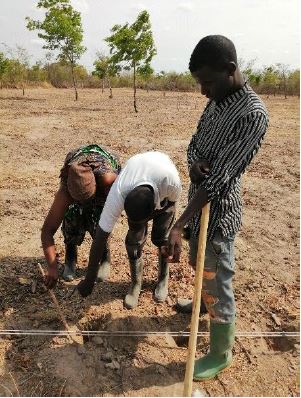
Here they are preparing for the market gardens for the dry season. The beds are prepared with green manure to aid growing and improve the soil so they get a better crop. This is backbreaking work. It takes 4 people one day to do one row.

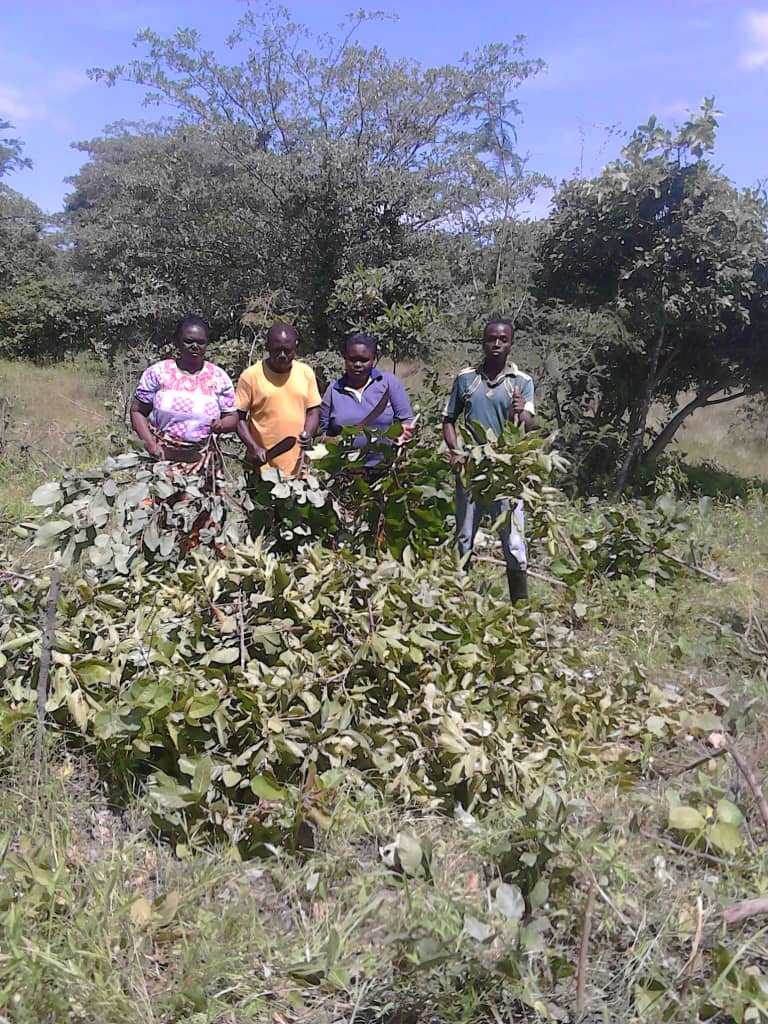
And making the compost is hard work too! It is made from 40% dry material, 40 % green leaves, 10% cow manure and 10 % of woody stuff like wood shavings.

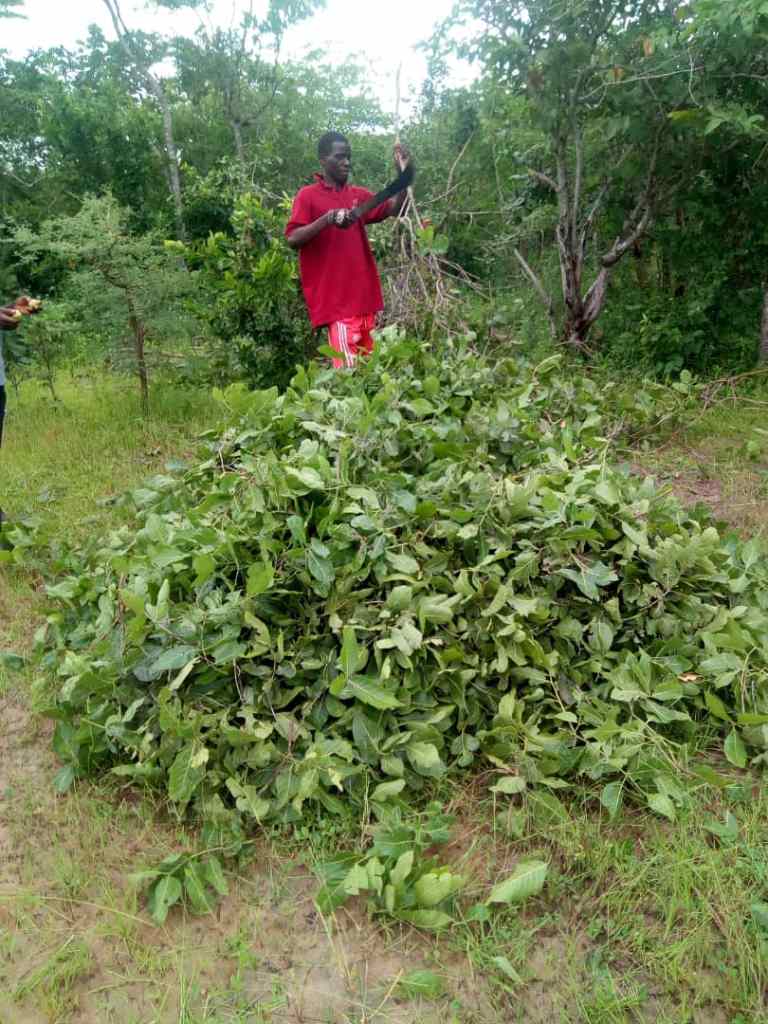
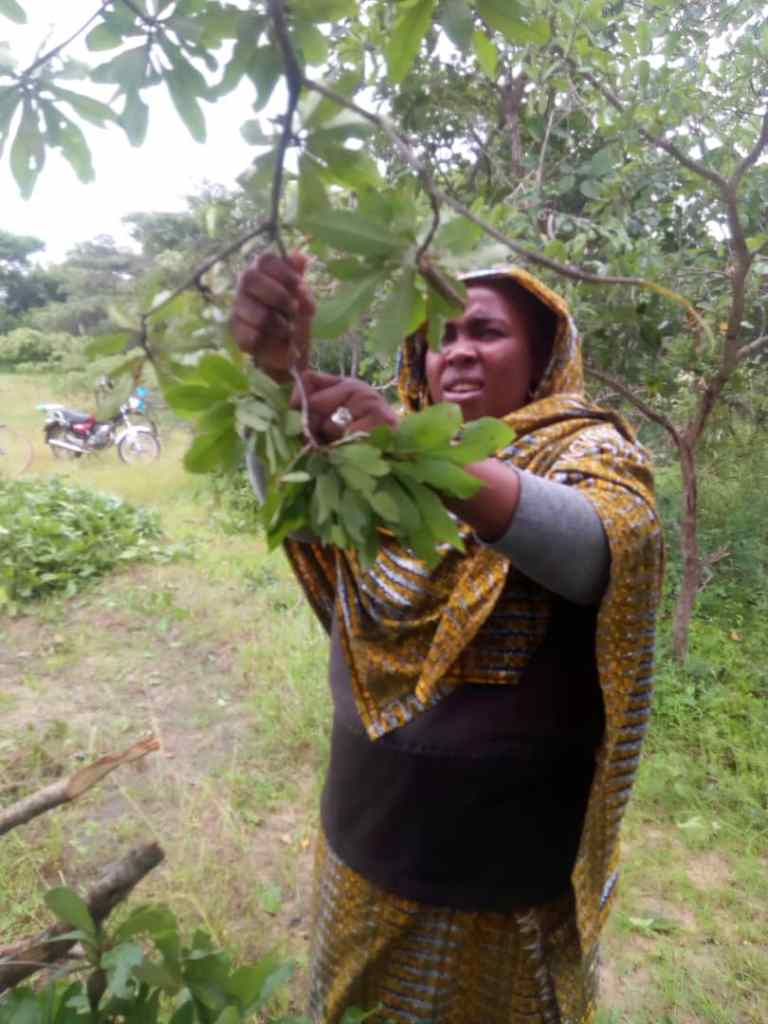
Cutting leaves for compost making

Last year the FMI Team prepared half an acre of land and planted onions. Although the year wasn’t very good for the whole country, the team harvested three 100 kilograms bags of produce which was a success and encouraging.

At the end of last year, the team prepared another half acre for planting another garden in 2020. While doing this they trained 12 local people on agriculture best practice: how to prepare composts and how to take care of the environment through choosing plant species such as Mucuna [also known as ‘velvet beans’ – see https://en.wikipedia.org/wiki/Mucuna_pruriens] that help to add nitrogen to the soil of their land as well as producing greenery for the compost.

This year they have also prepared another 2 acres of land ready to plant maize during these early months of the year which are Tanzania’s ‘rainy season’.

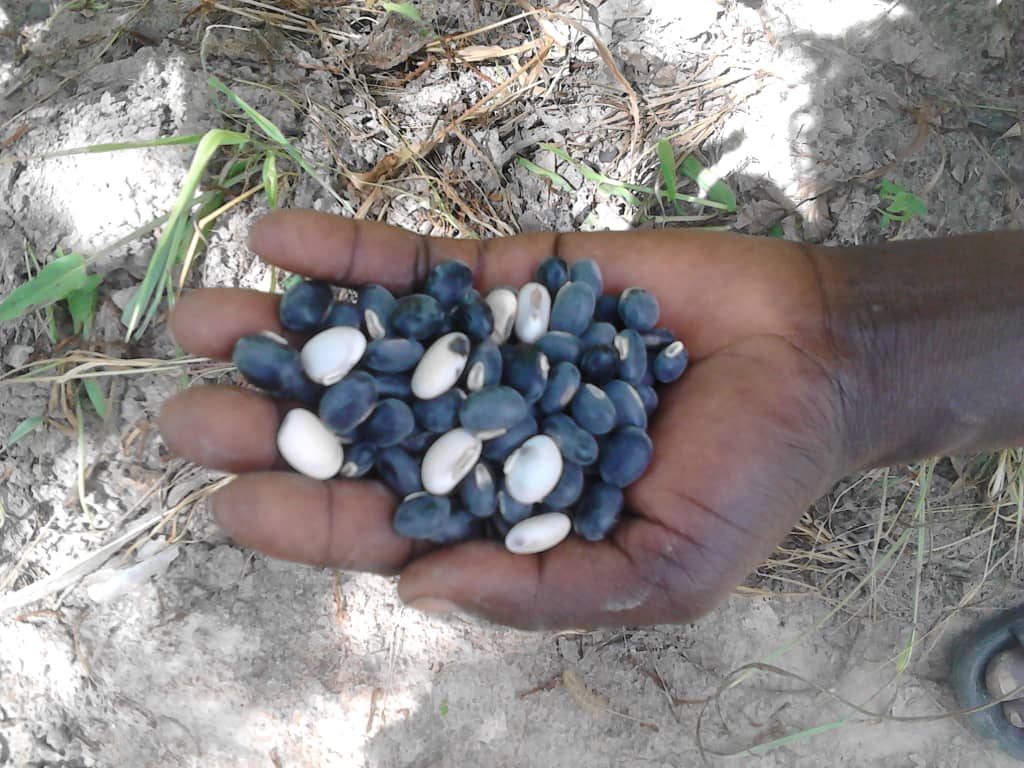
Velvet Beans – not only does this crop add nitrogen to the soil but the leaves can be used for making the compost and the beans can be eaten

Please pray that all of this hard work will pay off and provide food for local families over the next year. However, the whole lot is somewhat at risk as some parts of East Africa are seeing some of the worst plagues of locusts for many years. [See the Channel 4 report at https://www.youtube.com/watch?v=-dOD0LCa6Jg ] There are two main risks – firstly that the locusts will reach Tanzania and secondly that Tanzanian food will be bought up by other African countries and there will then not be enough for the Tanzanian people.

“And the King will say, ‘I tell you the truth, when you did it to one of the least of these my brothers and sisters, you were doing it to me!’

Jesus of Nazareth

When not involved in the agricultural work, the small team are also providing medical and social care to some of the poorest in the local area. In 2019, 676 household visits were made to 45 households reaching 130 family members for client services. During these care visits they provided food supplies and home-based care treatment such as wound dressing for 16 clients and medication to 45 chronically ill patients.  FMI were also able to provide [thanks to your generosity] some of these clients with access to hospital care by providing transport, paying for their medical costs and food costs while there and looking after family members left at home.

You can read more about this work in the Annual Report from Familia Moja Itetemia which you can access using the link above.

Thank you for your generous support and prayers.

Christmas comes with a splash of hope!

Not only does Christmas come with presents, but this year it comes with rain! OK, in the UK that is relatively normal and is nothing unusual. But in Tabora these mean so much more – these can mean life and possibly even enough income to send the children to school!

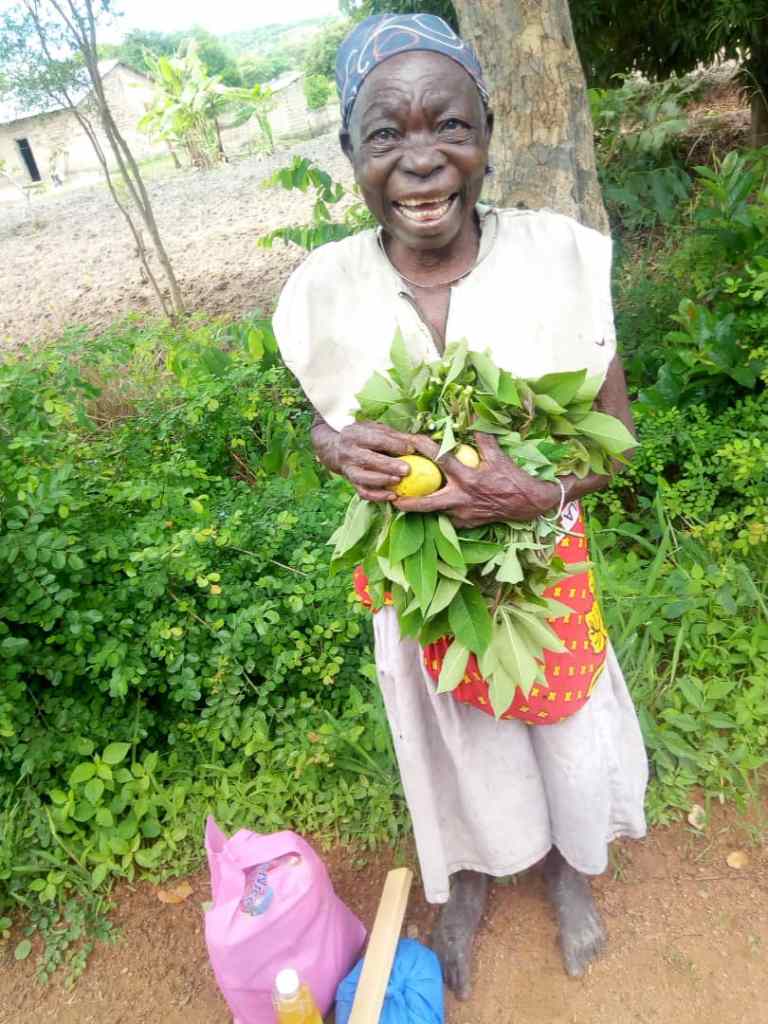
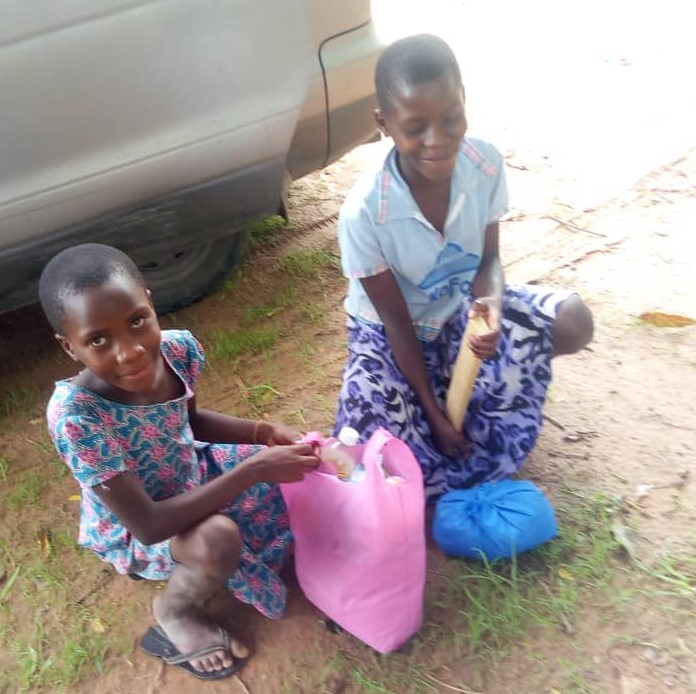
A small amount of the money raised was used to bring some Christmas cheer and small gifts of food and other necessities were given to those we care for.

And the rainwater ponds are filled!

With Christmas came the long awaited rains. And water in Tabora means food and a small income if you are lucky. In 2019 your donations allowed for the building of another 5 ponds bringing the total now to nearly 30. And most were filled as a result of the recent rain.

Edward is one of the 70 people who have been able to get an additional income by growing a small market garden using water from one of our rainwater collection ponds. He says: ‘I could not survive on the £30 a month for my night watchman job with my wife and our four children. Because of the rainwater collection pond dug by Familia Moja I was able to get an additional £160 in the first crop with onions and was able to do the same three months later with harvest of tomatoes. This additional income meant that we did not have to starve and we even had the ability to let the children go to school and share food etc with our families or neighbours in emergencies.’

But how could we support the new market gardeners as to use the water most efficiently so that they could maximize their income? Familia Moja is now working with small groups of growers and have started a small agriculture project to test and show the community how to improve yield using environmentally-friendly growing techniques.

Thank you for supporting this work. It is God’s work and brings with it the miracle of life!

Old but not forgotten

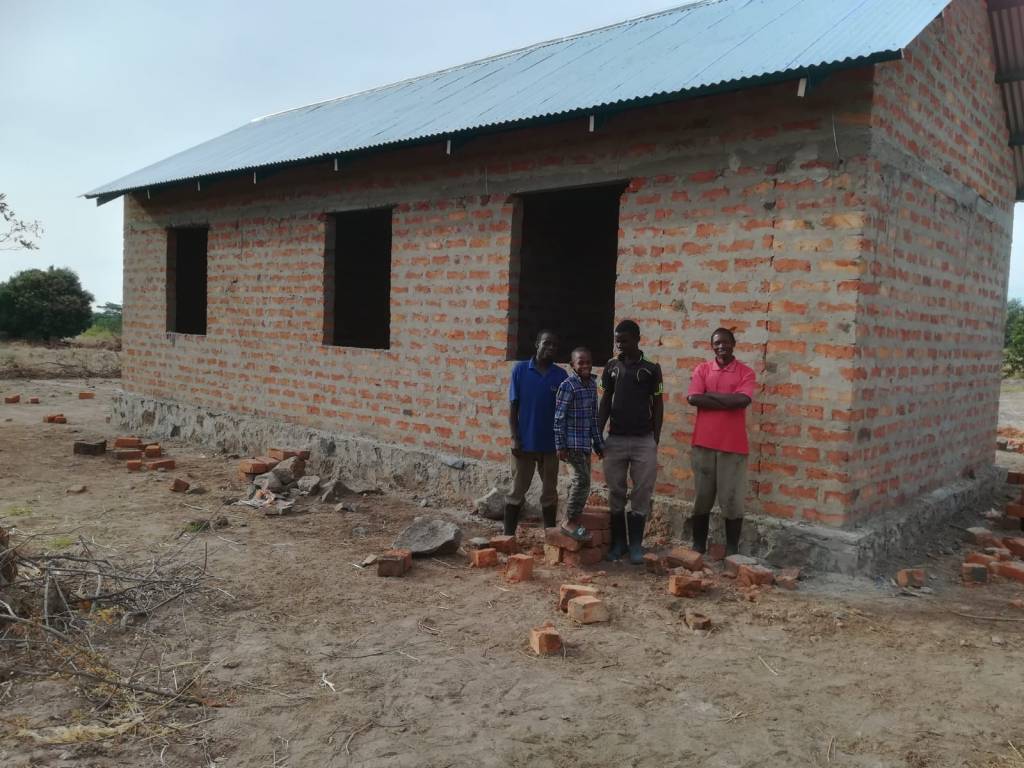
This is possibly the first of several older people’s units that FMI will build. They are relatively cheap to build and maintain as they are very basic

In a society where there is no state pension, where there is no National Health Service, where the state doesn’t guarantee you shelter in your old age, it can be difficult getting old if you have no local family.

When you become too old or infirm to dig your own crops, fetch your own water and mend your own house, you are very much reliant on family to help out. For those lacking a family in Tabora, Familia Moja Itetemia can step in to become that family that is needed.
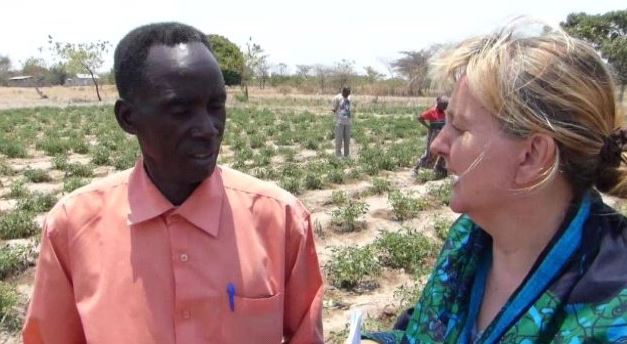
Familia Moja Itetemia is our primary partner in the Itetemia region of Tabora. We supply the funds and they supply the care. So what does the money that you give pay for when it comes to caring for the elderly?

This building has 2 rooms and our office. Stephan, Hussein and Simon are 3 of our seven strong team.
This building has 2 rooms and The FMI office. Stephan, Hussein and Simon are 3 of our seven strong team.

Providing shelter can be a lifesaver. Moving from a collapsing shack made of sticks and mud into a simple brick built one room home with a non-leaking tin roof can change a life. And having a door you can lock so that your meagre belongings are secure brings peace of mind – you can go out and know your home will be safe. Some of our elderly residents have been brought back to life with the provision of simple shelter, simple food and occasionally simple medicine if it is needed. Plus they become part of a small community in the complex – human contact being essential for bringing people back to life!

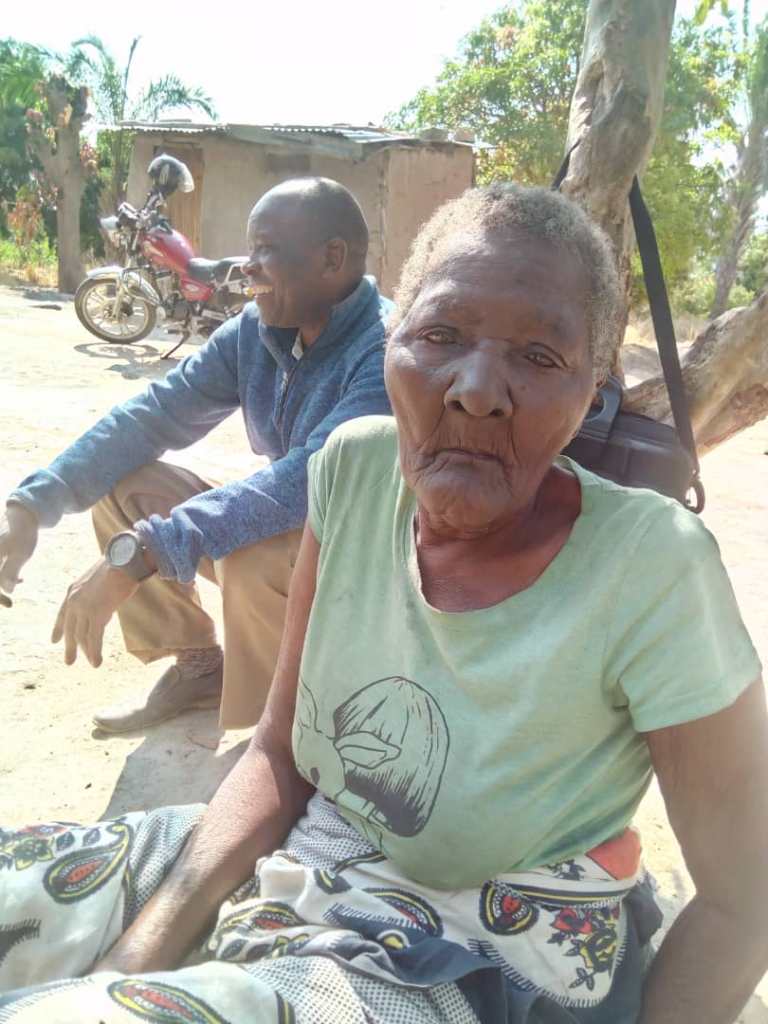
Maria Salum is an elderly lady that FMI have looked after for years. She has no children, nor any family nearby. We visit and give her food. We have also dug her a well so she has water and repaired her hut [made of the traditional mud and sticks].

So how can I support this?

We have set up our bank account with CAFBank [part of CAF – the Charities Aid Foundation] and they offer a service called CAFDonate which we have signed up to. This is a service where they will collect and process our donations [for a small fee] and also deal with Gift Aid etc.

Our main donation page => cafdonate.cafonline.org/11331

With CAFDonate you will be able to set up a regular donation if you wish, make a one off donation or sponsor events etc.

Our first fundraiser since starting [and a bit of a trial run to see how it works] will be the ‘ceremonial removal’ of Eric’s beard!

This will happen on November 17th 2019 after the morning service at Bunyan Baptist Church The service starts at 10.30 and should be no longer than an hour. So the ‘event’ will probably be at about 11.45am. If you would like to join us for the service you will be most welcome. Or if you want to turn up at 11.30 for free coffee and to support that is fine too. [And we do serve a nice cup of Fairtrade filter coffee as well as tea and biscuits]

Our beard-shave sponsor page => cafdonate.cafonline.org/11415

There will be collection points for cash / cheques on the day.

Thanks already to those many people who have donated recently.

Money that has been accumulating in the funds of several churches has now arrived in our account and we are now able to make our first grant of about £7500 to Familia Moja Itetemia.

We are Official!!

We are pleased to have received an email saying the following:

You have applied to register the above organisation as a charity.

We are satisfied that FAMILIA MOJA COMMUNITY PROJECT UK is a charity and it has been entered onto the Register of Charities with the Registered Charity Number 1185386.

Hopefully we will also receive details of our bank account from CAF Bank in the next few days and and then will be able to pay in the money that has been held in trust by a couple of churches for the last couple of years.